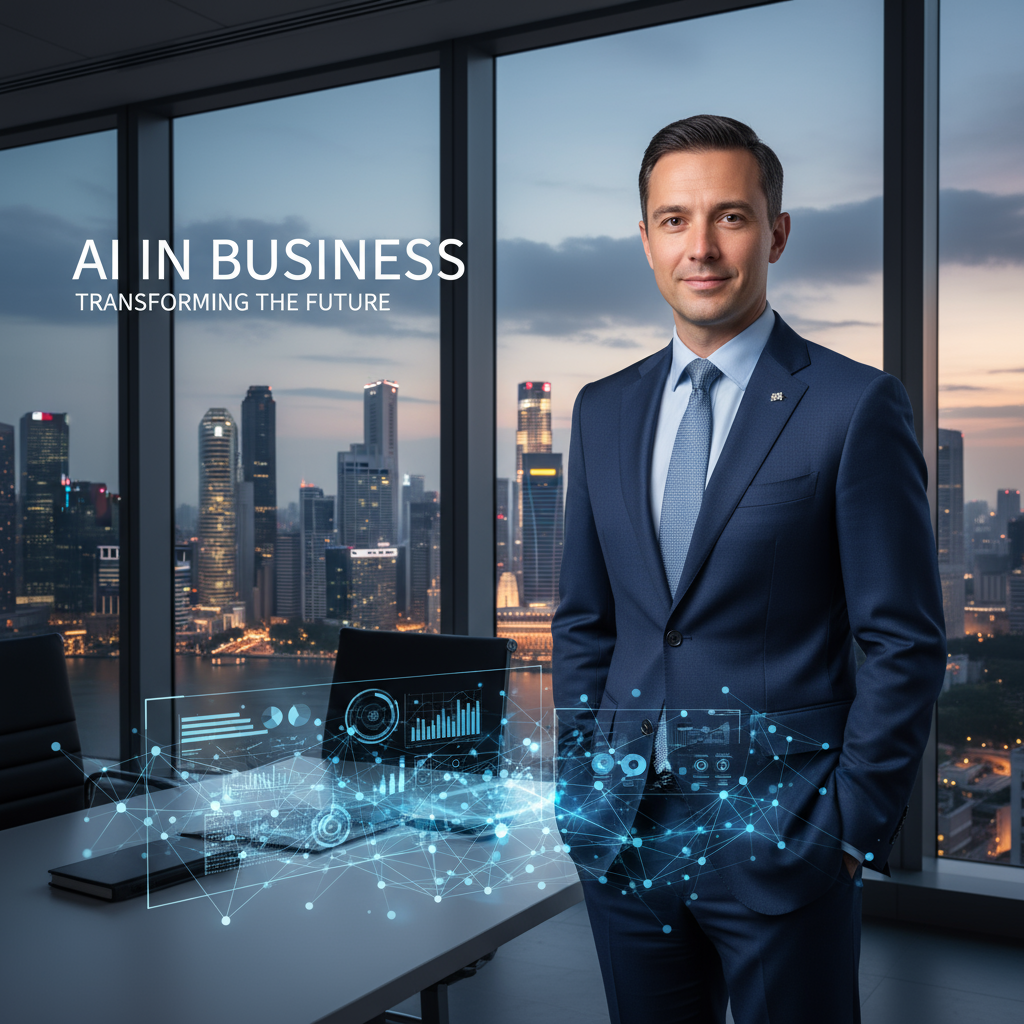
Choosing Your AI Coach in Singapore: A Strategic Guide
Mastering AI is now part of the job for Singapore businesses and professionals. This guide sets out how to evaluate an AI coach, the questions to ask before you commit, and a separate selection process for CEOs and boards.
By Gavin Sim
Why an AI Coach is Essential for Singapore Professionals
The AI revolution is here, and it is reshaping every industry, from finance to manufacturing, right here in Singapore. As professionals, understanding and leveraging AI is not optional; it is critical for staying competitive and driving innovation within your organisation.
An AI coach provides the structured guidance and practical knowledge you need to navigate this complex landscape. I have personally seen the rapid growth my students achieve when they embrace AI tools and strategic thinking, unlocking new levels of productivity and business opportunity.

The Urgency of AI Adoption in Singapore
Singapore is a hub of innovation, and businesses here are quick to adopt new technologies. However, simply having access to AI tools is not enough; you need a strategic approach to integrate them effectively into your daily operations and long-term business goals.
A skilled AI coach bridges the gap between knowing about AI and knowing how to implement AI for tangible results. This means moving beyond theoretical understanding to practical application that impacts your bottom line and efficiency.
What an AI Coach Does, and What They Do Not Do
The role is to give you the knowledge and skills to use AI well. It is not financial advice, and it is not investment guidance. A coaching engagement should cover:
- AI tools and workflows: Identifying and mastering the tools that fit your actual work.
- Strategic adoption: Deciding where AI belongs in your process and where it does not.
- Productivity and automation: Removing repetitive work so people can do the harder parts.
- AI literacy: Building the confidence to use these tools responsibly and to spot when the output is wrong.
What to Look for in an AI Coach: My Perspective as an Instructor
When you are searching for an AI coach in Singapore, look for someone with verifiable experience, practicality, and a proven track record. It is not just about flashy titles; it is about real-world impact and the ability to simplify complex concepts.
1. Real-World Business Acumen and Transformation Experience
Choose a coach who understands the intricacies of business operations, not just AI algorithms. My background is operational rather than academic: a former Singapore Navy Captain, then Partner and COO of a business I helped scale from five figures to over ten million. That grounding is why I teach AI as a driver of business outcomes rather than as a standalone subject.
Look for a coach who can speak your business language and understands how AI integrates into existing workflows. They should be able to strategise how AI can solve your specific business pain points and unlock new value streams.
2. Practical, Actionable AI Tool Mastery
The best AI coaches do not just talk about AI; they show you how to use it. In my One Man Agency (OMA) Bootcamp, I focus heavily on practical tools and workflows that my 153+ students immediately apply.
Your coach should teach you to master specific AI tools for:
- Automation: Streamlining repetitive tasks.
- Content Generation: Efficiently creating high-quality marketing materials or reports.
- Data Analysis: Extracting actionable insights from complex datasets.
- Strategic Planning: Using AI to inform business decisions.
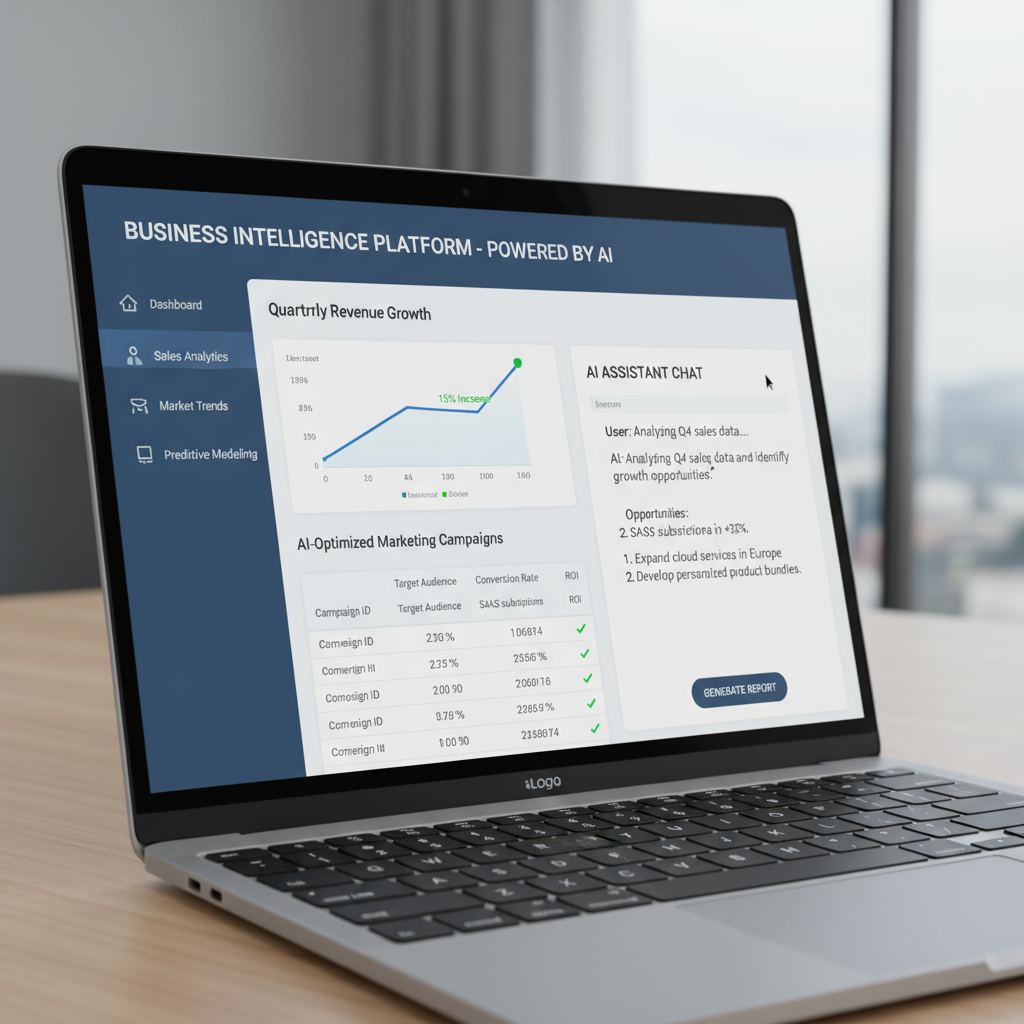
The practical skills that matter most for working professionals are narrower than the marketing suggests: prompt structure, AI-assisted content production with a human review step, faster analysis of data you already hold, workflow automation, and a plan for where AI fits into your particular role.
3. A Proven Track Record and Student Success
Results speak louder than promises. A good AI coach can point to concrete examples of client or student success. In my OMA Bootcamp, I am proud of the 153+ students who have worked through the program.
Ask for testimonials, case studies, or proof of their students' achievements. Be wary of anyone who makes grand promises without concrete evidence, and be equally wary of anyone who promises a specific multiple on your revenue. Successful AI adoption is iterative and its returns are usually incremental before they are dramatic.
4. Specialisation in Business AI Strategy and Implementation
Avoid coaches who offer general AI knowledge without a clear application to business strategy. The focus should be on how AI can directly impact your business goals, from increasing productivity to opening new market opportunities.
My coaching centres on business AI strategy because I believe AI should serve your overarching commercial objectives. I teach my students how to build robust AI-powered workflows that integrate seamlessly into their operations.
5. Clear and Accessible Communication Style
AI concepts can be complex, but an excellent coach makes them easy to understand. They should be able to convey technical information in simple, actionable language, without jargon that alienates you.
Look for someone who simplifies intricate ideas and translates them into practical steps you can implement. In my role as an instructor, I prioritise making AI accessible to professionals from all backgrounds.
6. A Disciplined and Structured Approach
Just like in any high-stakes environment, a disciplined and structured approach is vital for AI implementation. My naval background instilled in me the importance of clear processes, attention to detail, and strategic execution.
An effective AI coach will provide a structured learning path, clear modules, and practical exercises. This ensures you are not just learning concepts, but building skill sets methodically.
7. Forward-Thinking and Adaptability
The tooling changes every few months. A coach who is not actively testing new releases will be teaching last year's workflow. Ask when the curriculum was last revised and what changed in it. The useful answer is specific.
Further Factors Worth Weighing
Beyond the core qualities, a few practical considerations decide whether an engagement works.
- Domain knowledge: A coach who has worked in your sector will understand its data, its constraints and its regulator. Advice built for e-commerce transfers poorly to manufacturing.
- Methodology: Ask whether they begin with an assessment of your current readiness, whether the content is customised, and whether they guide from the side or work hands-on alongside your team.
- Cost and value: Compare the pricing structure against the outcome you expect, not against the cheapest option. The relevant question is what the engagement is worth if it works, and what you lose if it does not.
- Ethics and responsible use: Bias, transparency and data privacy should be part of the syllabus. Ask directly how they handle them.
- Cultural fit: You will be admitting what you do not know in front of this person. If the rapport is not there in the first conversation, the engagement will underperform.
Objectivity, Security and PDPA Obligations
Two questions get skipped far too often. The first is objectivity: does the coach recommend tools because they suit your situation, or because they have a commercial relationship with the vendor? Ask them to say so plainly.
The second is data. AI work means feeding business information into third-party systems. Any coach working in Singapore should be able to explain how the tools they recommend handle data retention and training, and how that sits with your obligations under the Personal Data Protection Act. If the answer is vague, that is your answer.
Where to Look
- Professional networks: LinkedIn lets you review a coach's actual history and reach their past clients directly.
- Industry events: Local AI events are the fastest way to hear someone think in public before you pay them.
- Referrals: Ask peers who have already run an internal AI program what they would do differently.
- Specialist consulting firms: Useful when you need a team rather than an individual.
For CEOs and Boards: Selecting an Executive AI Advisor
Board-level engagement is a different brief. The board rarely needs to know how a model works. It needs to know which decisions AI changes, what it puts at risk, and how to govern it.
What the Board Actually Needs
- Closing the knowledge gap: Directors should be equipped to ask sharp questions of management, not to build anything themselves.
- A coherent AI strategy: Without one, initiatives scatter across departments and never connect to the business plan.
- Risk and governance: Data privacy, algorithmic bias and compliance need an owner and a framework before deployment, not after an incident.
Qualities Specific to an Executive Engagement
An executive advisor must be a business strategist first. They should be comfortable in a boardroom, able to communicate with finance and marketing in the same session, and willing to challenge assumptions rather than flatter them. Local market insight matters here more than anywhere else, because regulation and talent supply are both local questions.
A Five-Step Selection Process
- Define the objective. Is this general AI literacy for the board, guidance on a specific product line, a governance framework, or a full strategy?
- Research and shortlist. Review credentials, published thinking, and experience with organisations of comparable size and sector.
- Interview properly. Treat it as a senior hire. Ask for specific examples of boards they have guided, and how they handled scepticism in the room.
- Request a proposal, and consider a pilot. A short workshop before a long engagement tells you more than any proposal document.
- Check references. Speak to previous clients about impact, delivery, and how they behaved when something went wrong.
Getting Value from the Engagement
Participation decides the outcome. Encourage every director to engage in the sessions, share the real constraints rather than the polished version, set measurable milestones with the advisor, and make sure the recommendations land in the actual planning cycle rather than in a deck nobody reopens.
Why Singapore Businesses Need Local AI Expertise
The global AI landscape is vast, but local expertise matters. A coach based in Singapore understands the specific market dynamics, regulatory environment, and business culture here. This contextual understanding is crucial for practical AI implementation.
I specifically tailor my coaching to Singapore businesses and professionals, addressing their unique challenges and opportunities. This local relevance ensures that the strategies and tools you learn are directly applicable within your context.
The Importance of AI Training in Singapore
Investing in AI training in Singapore is not just about upskilling; it is about future-proofing. As a business owner or professional, you need to ensure your team, or yourself, is equipped with the latest AI competencies to thrive in a competitive market.
My programs are designed to empower Singaporean professionals with the AI skills that are most relevant and impactful for the local and regional economy.
Conclusion: Your Next Step in AI Transformation
Choosing the right AI coach is a pivotal decision for your professional and business growth in Singapore. It is about finding a guide who not only understands AI but also grasps the operational realities of your world.
Look for a coach with real-world business experience, a proven educational framework, and a focus on actionable AI tools and strategies. That combination is what makes an AI journey successful, impactful and sustainable.
Ready to master AI and transform your business? Explore my One Man Agency (OMA) Bootcamp and see how the approach works in practice.